Becky King - 19th October 2026
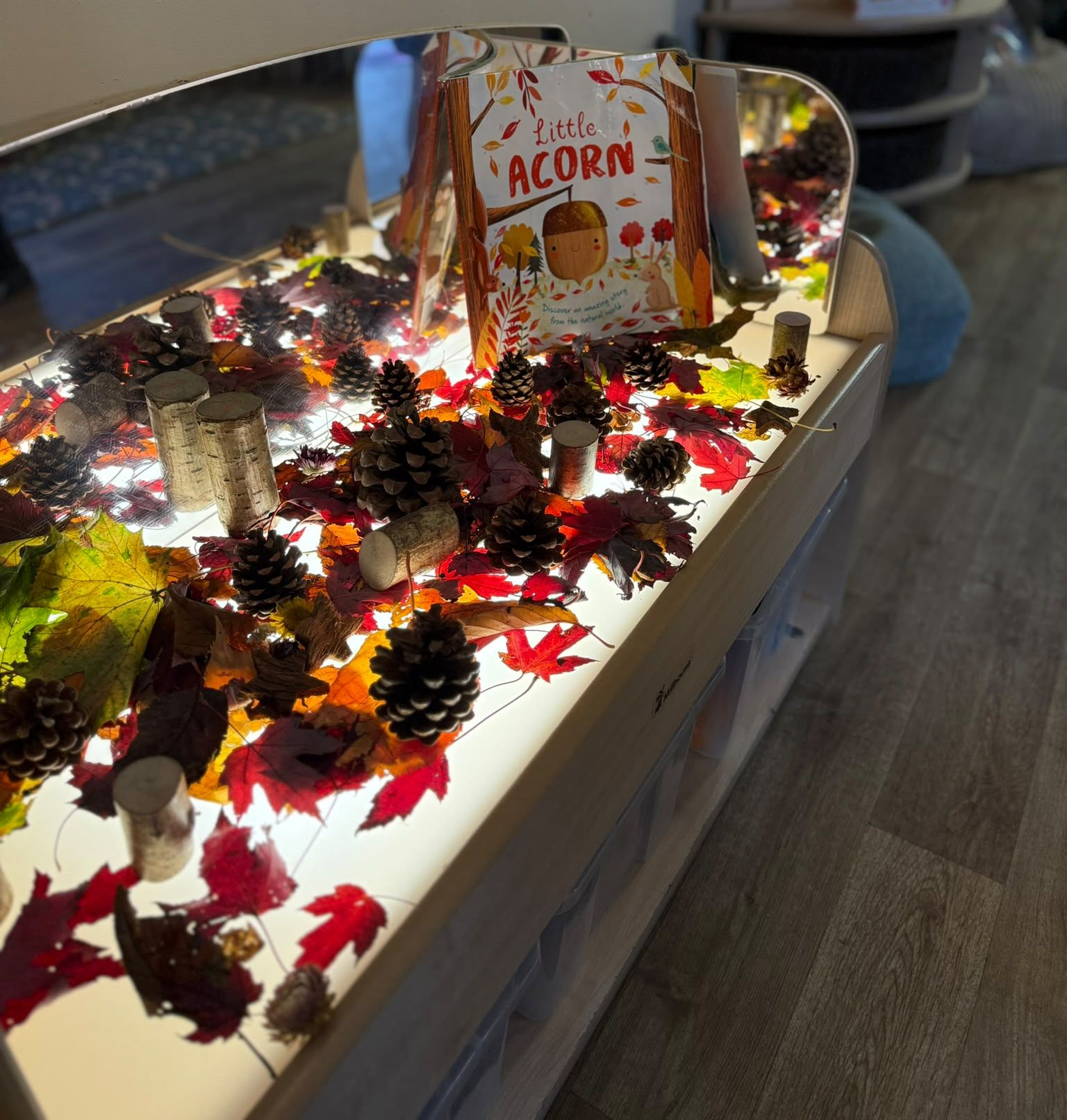
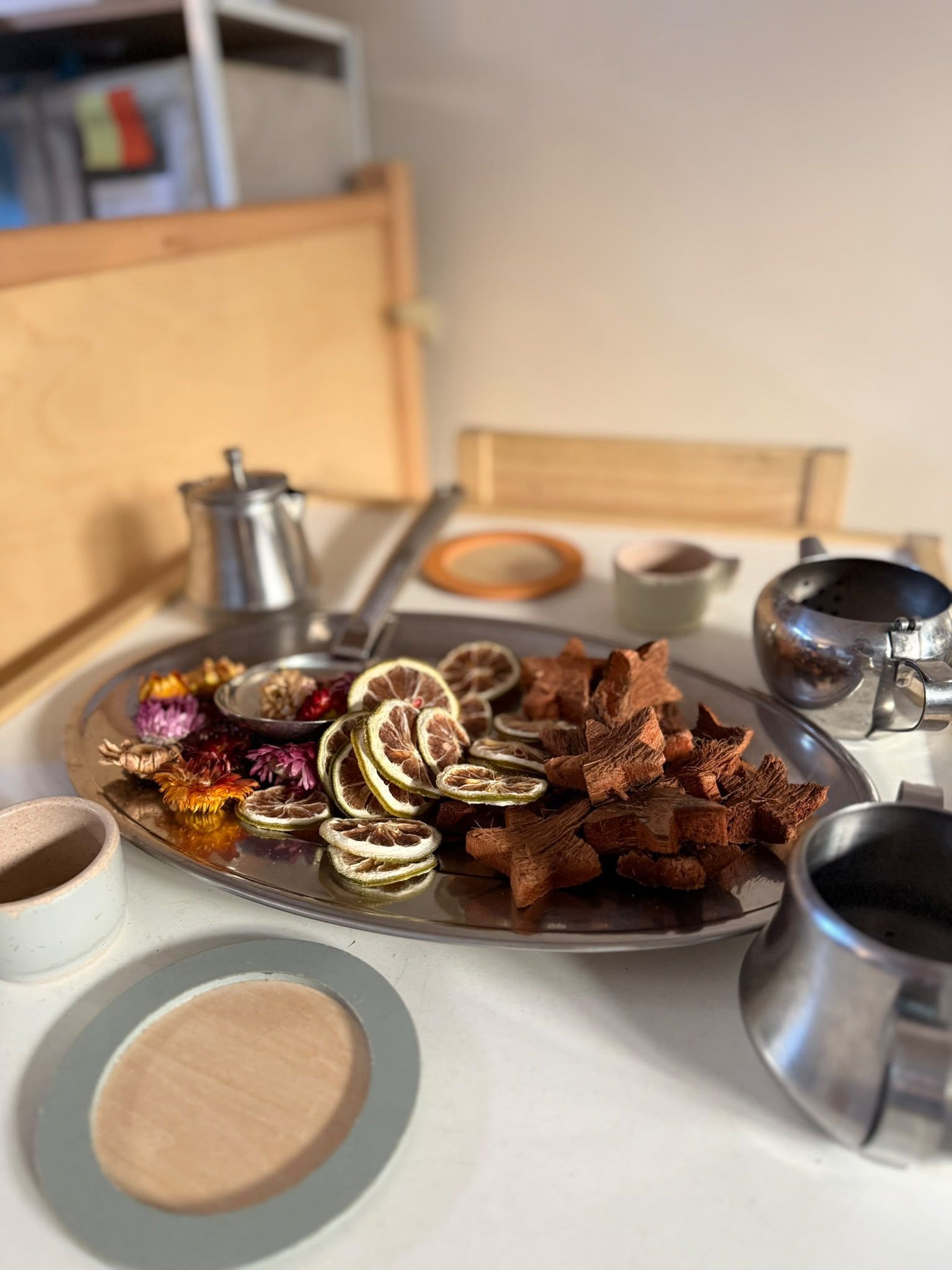

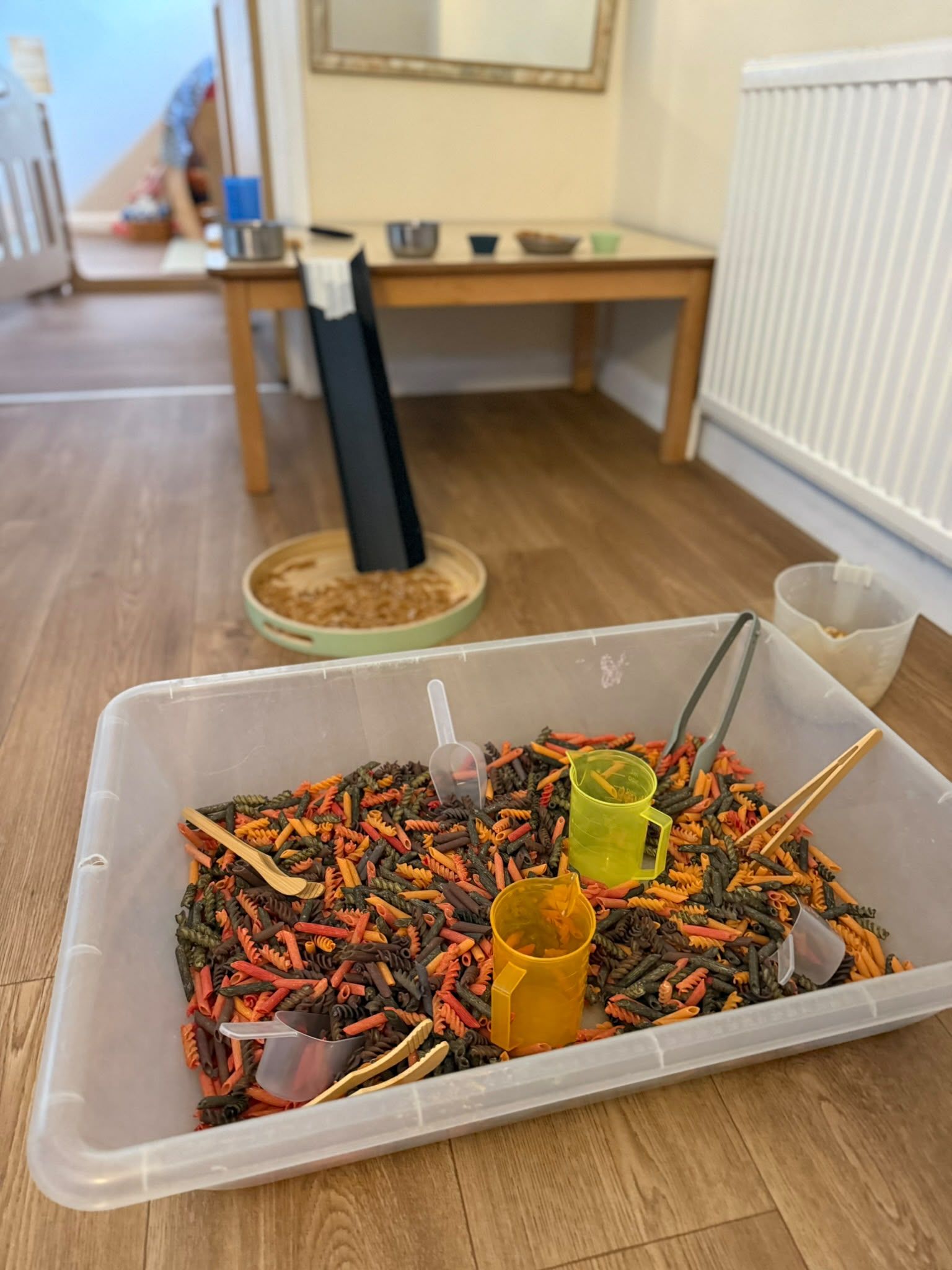
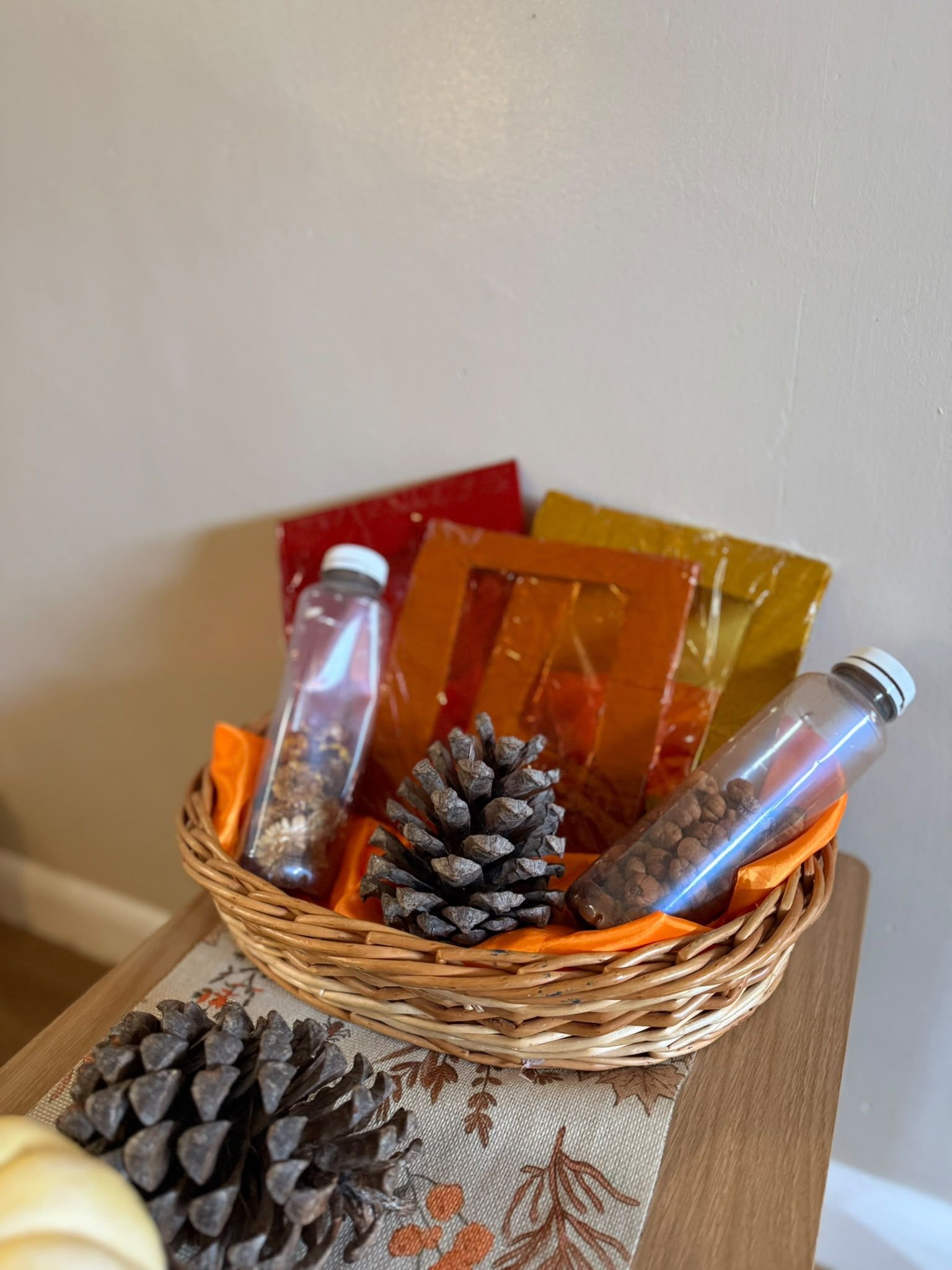
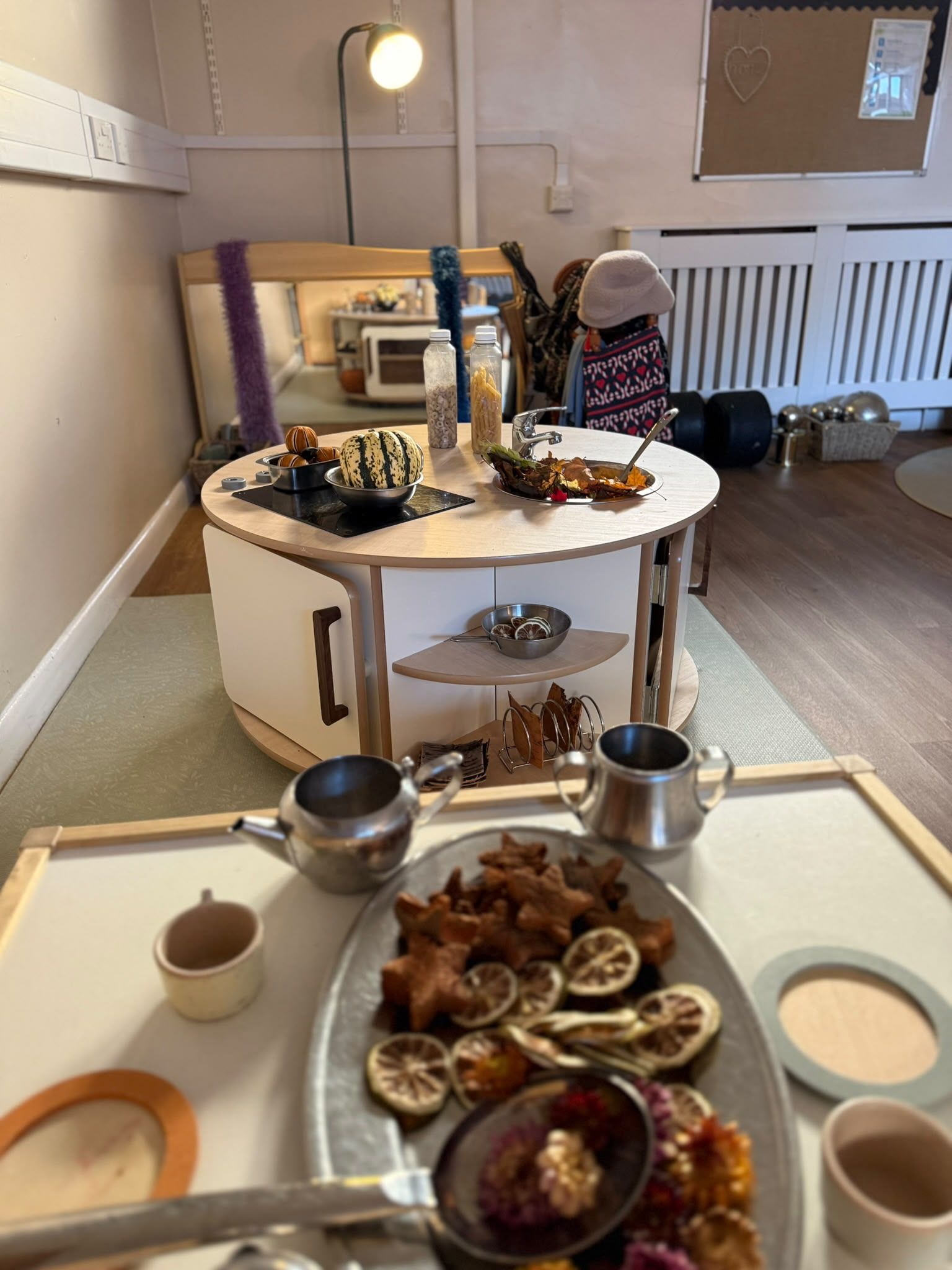
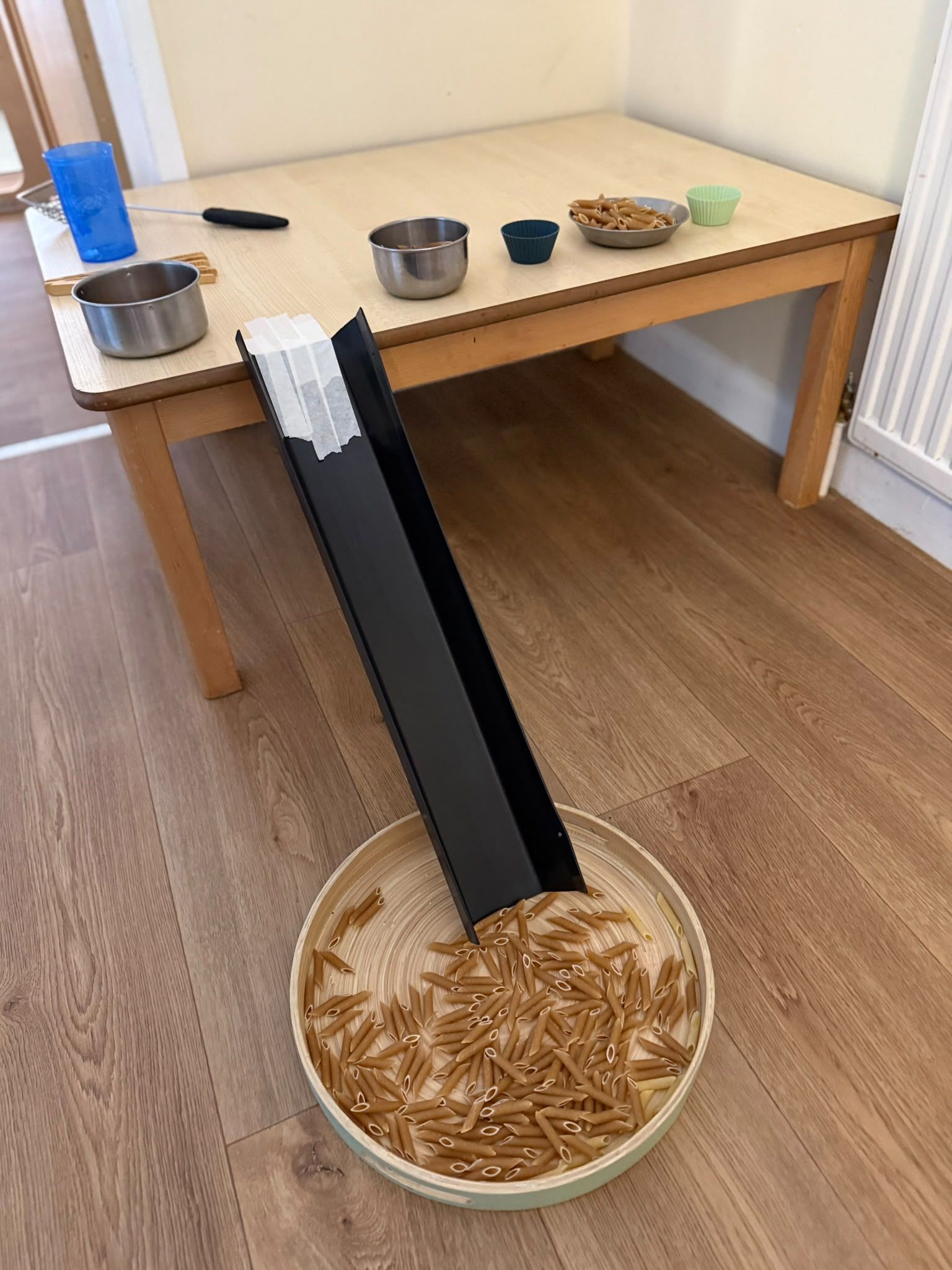
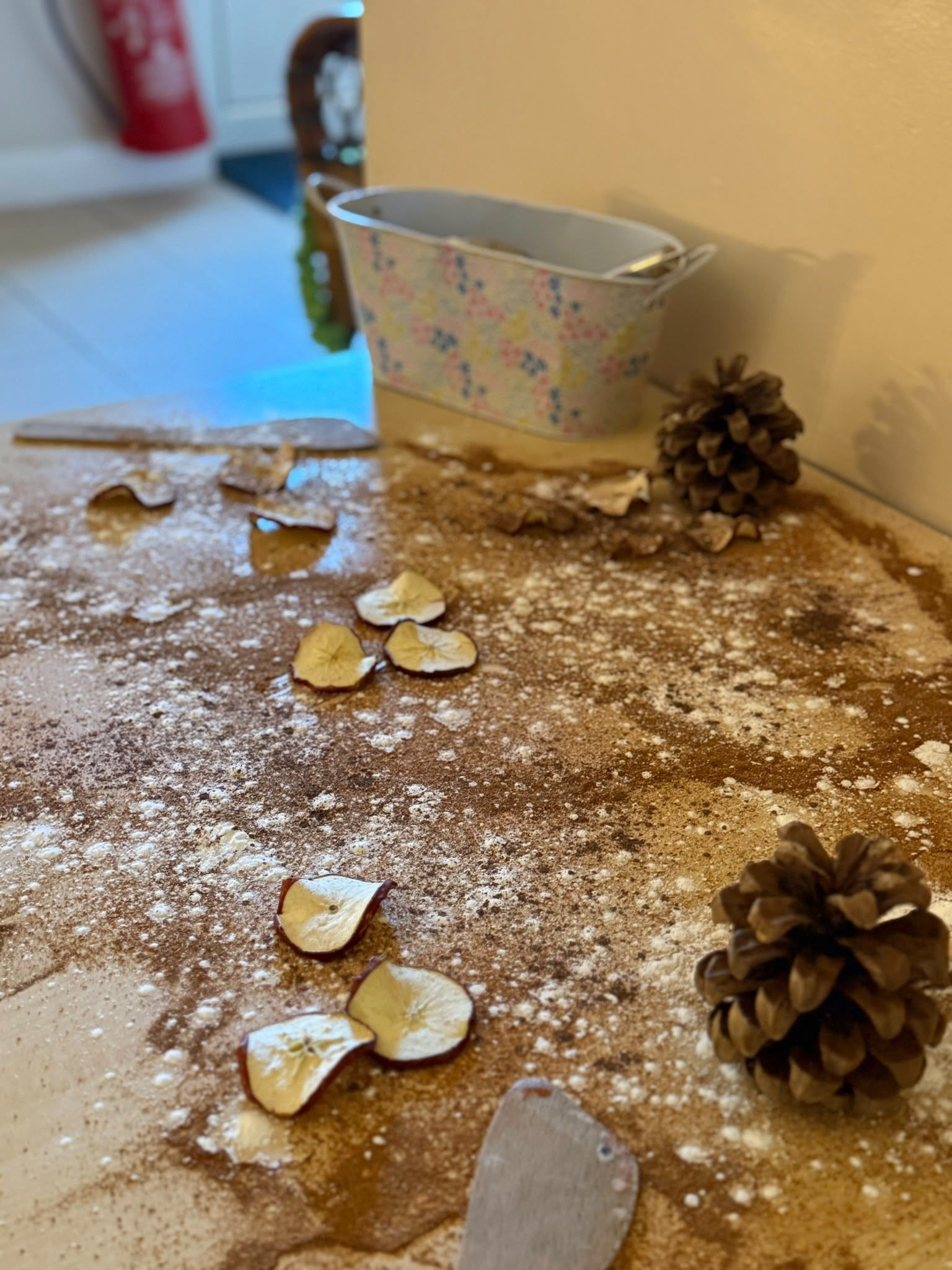
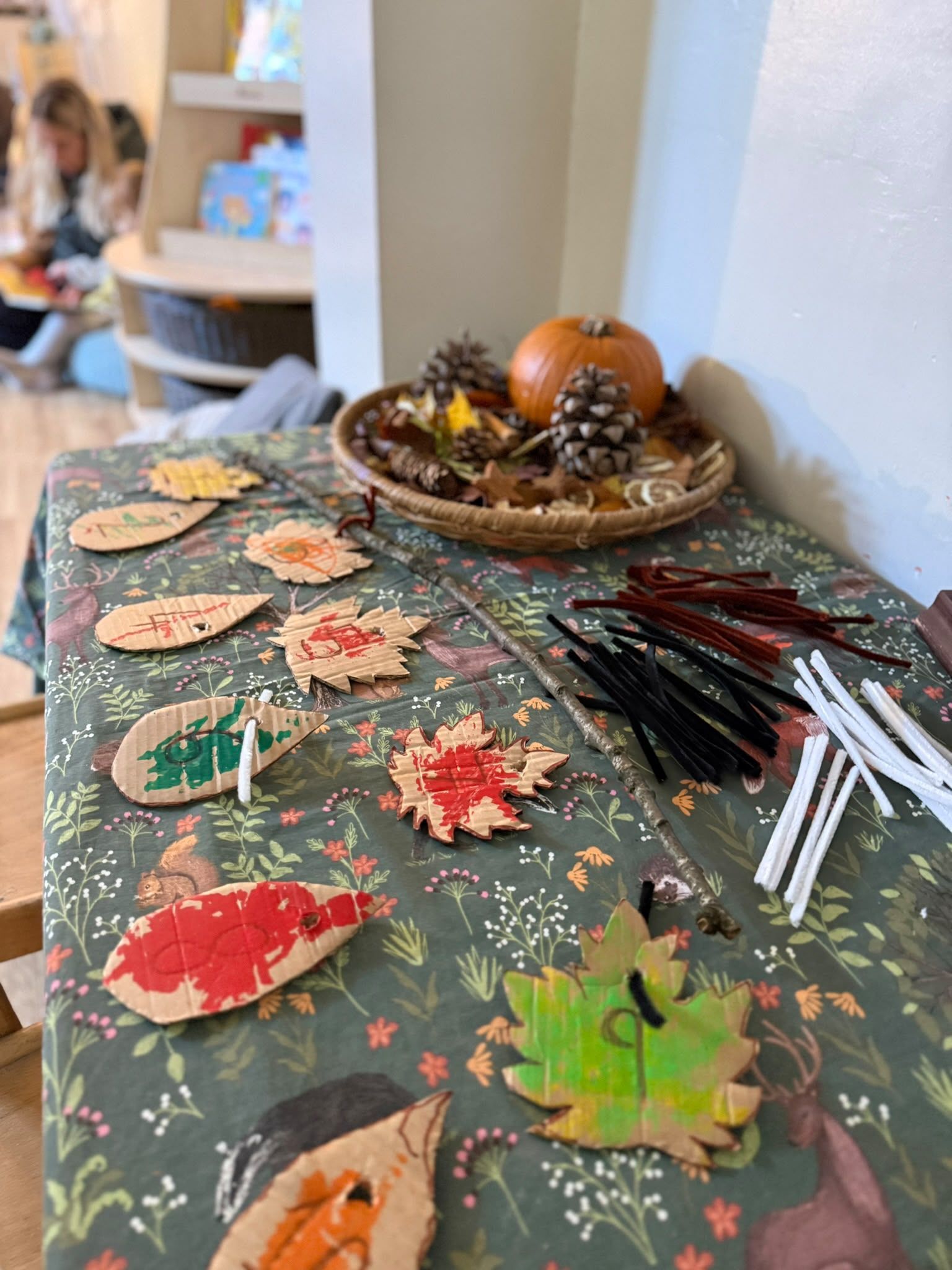
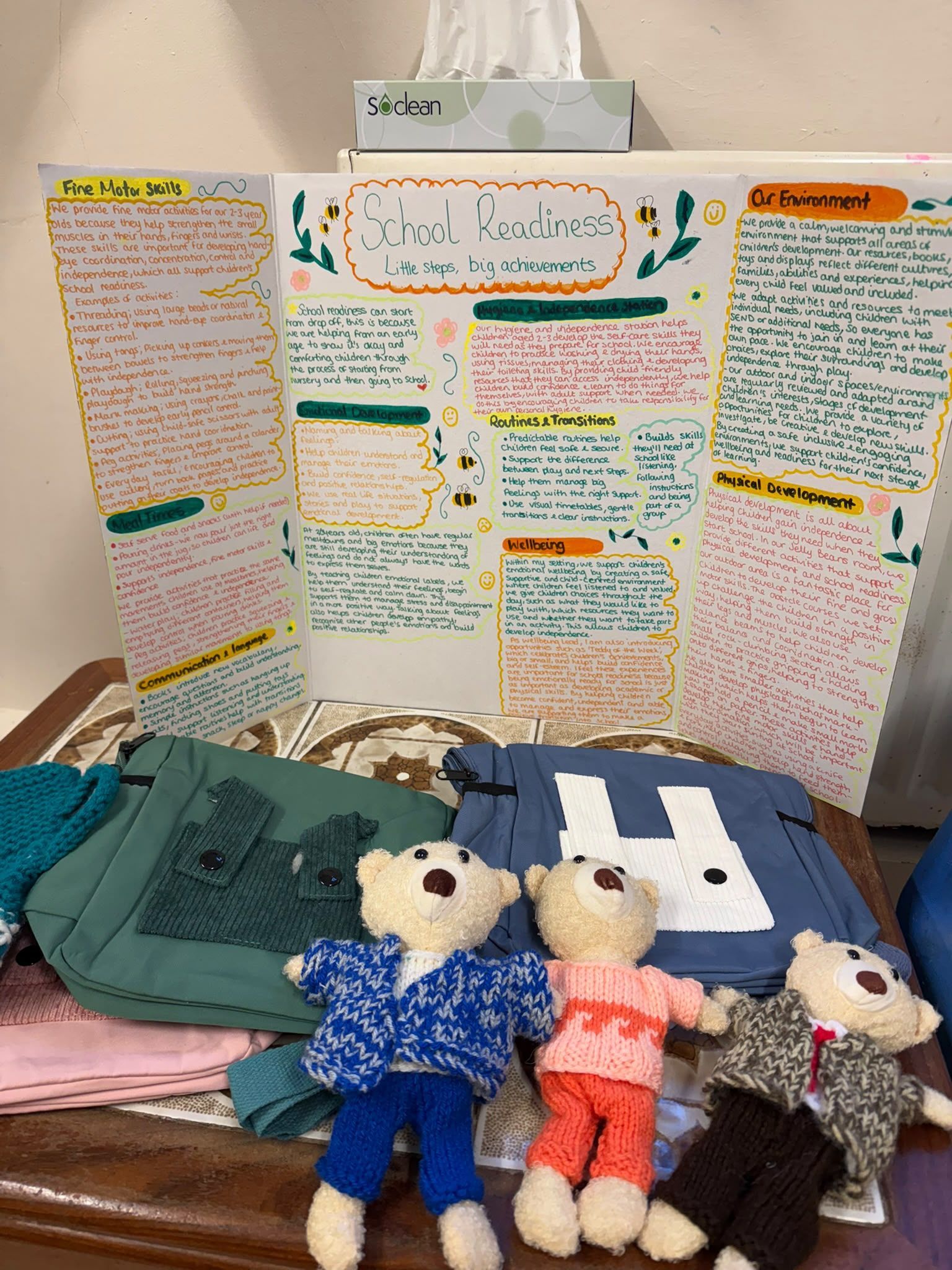
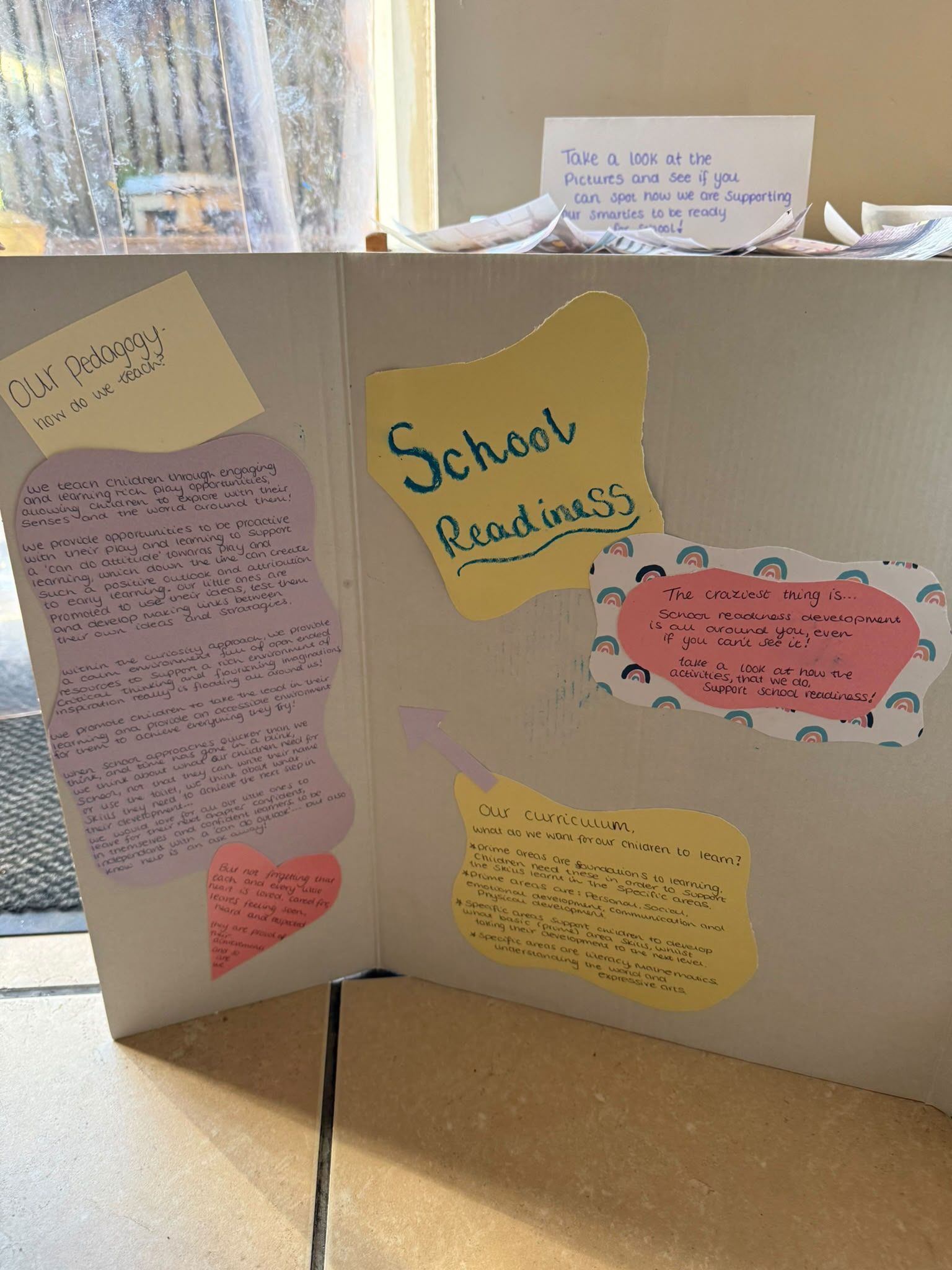
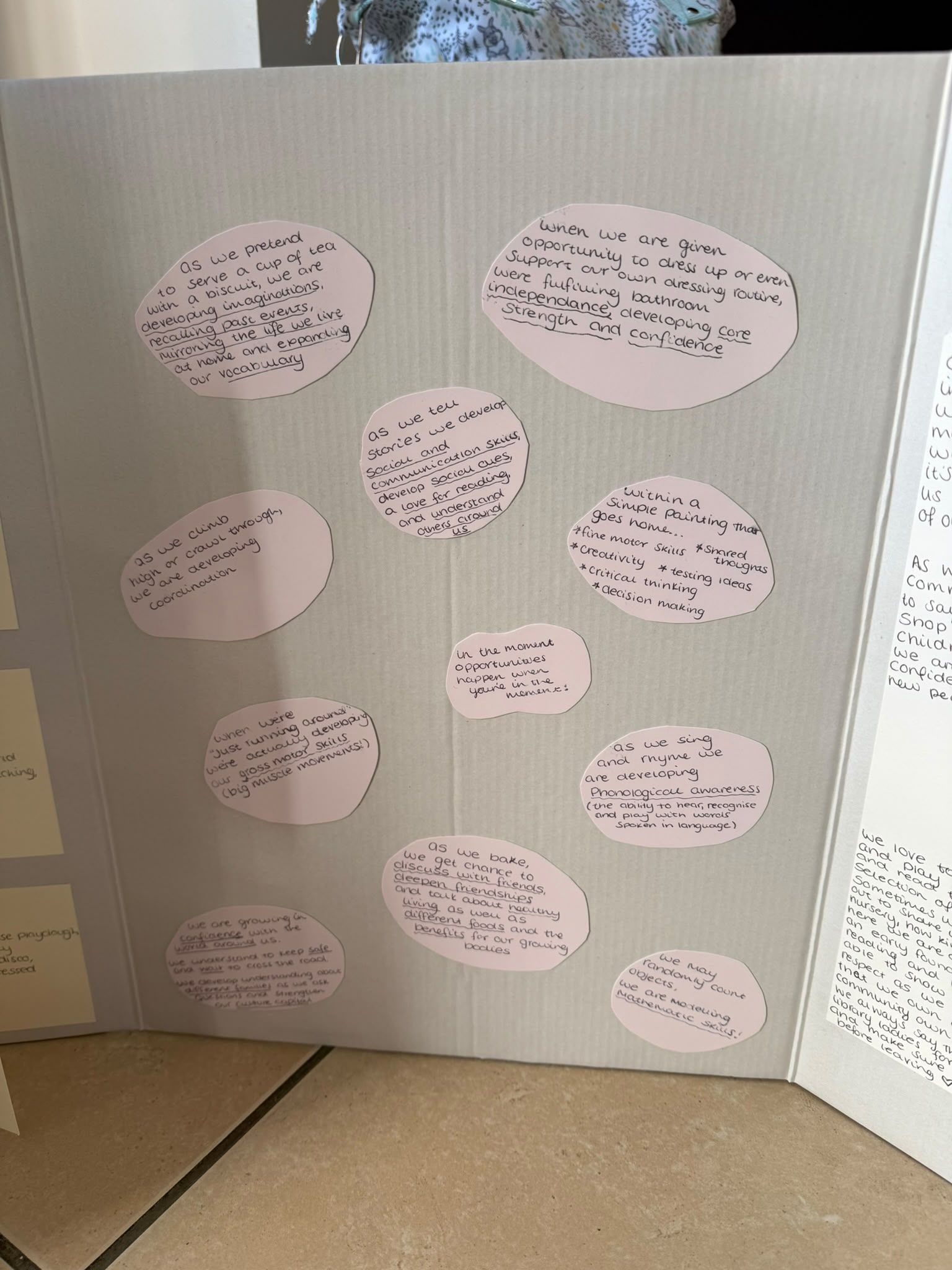
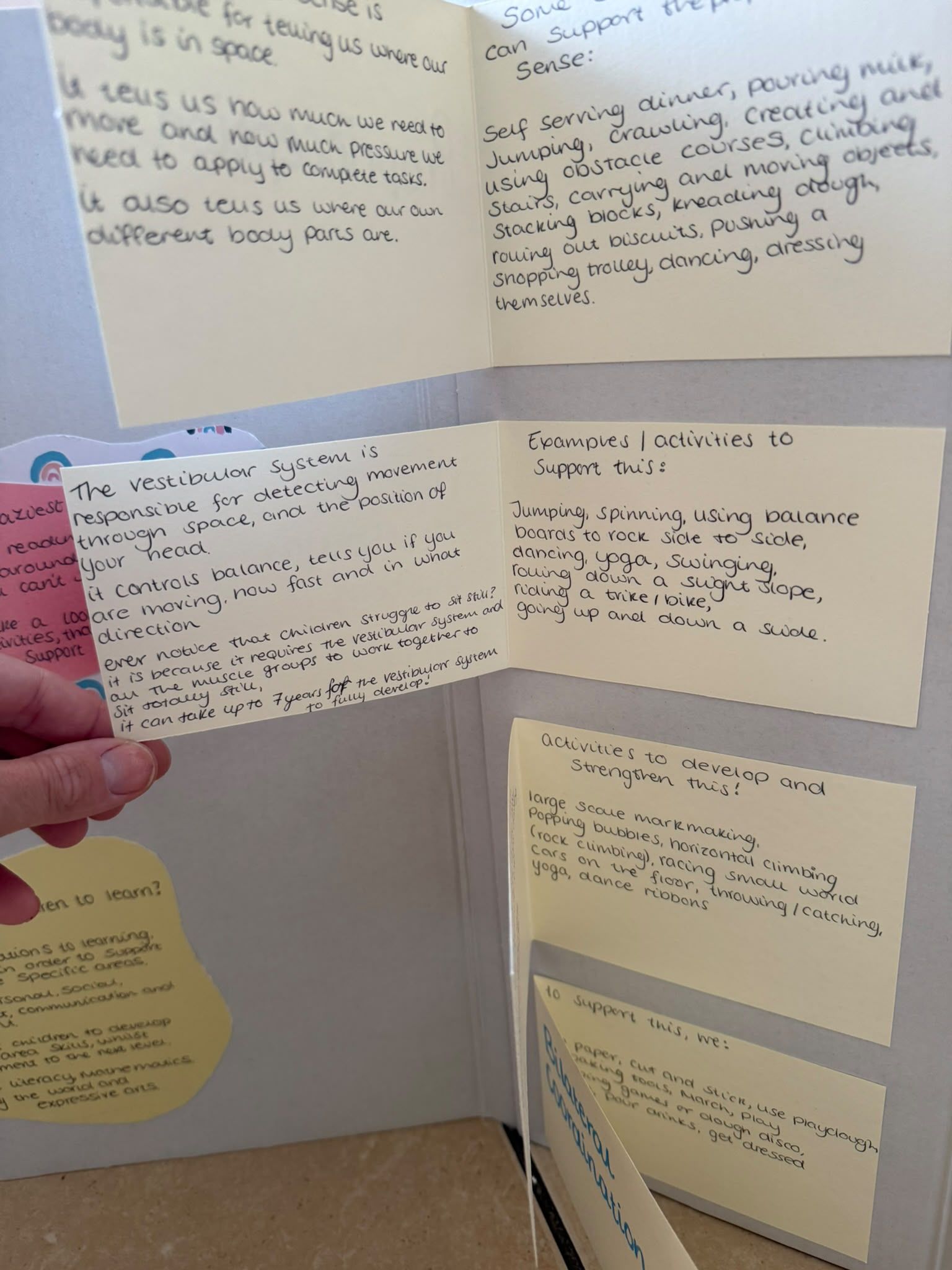
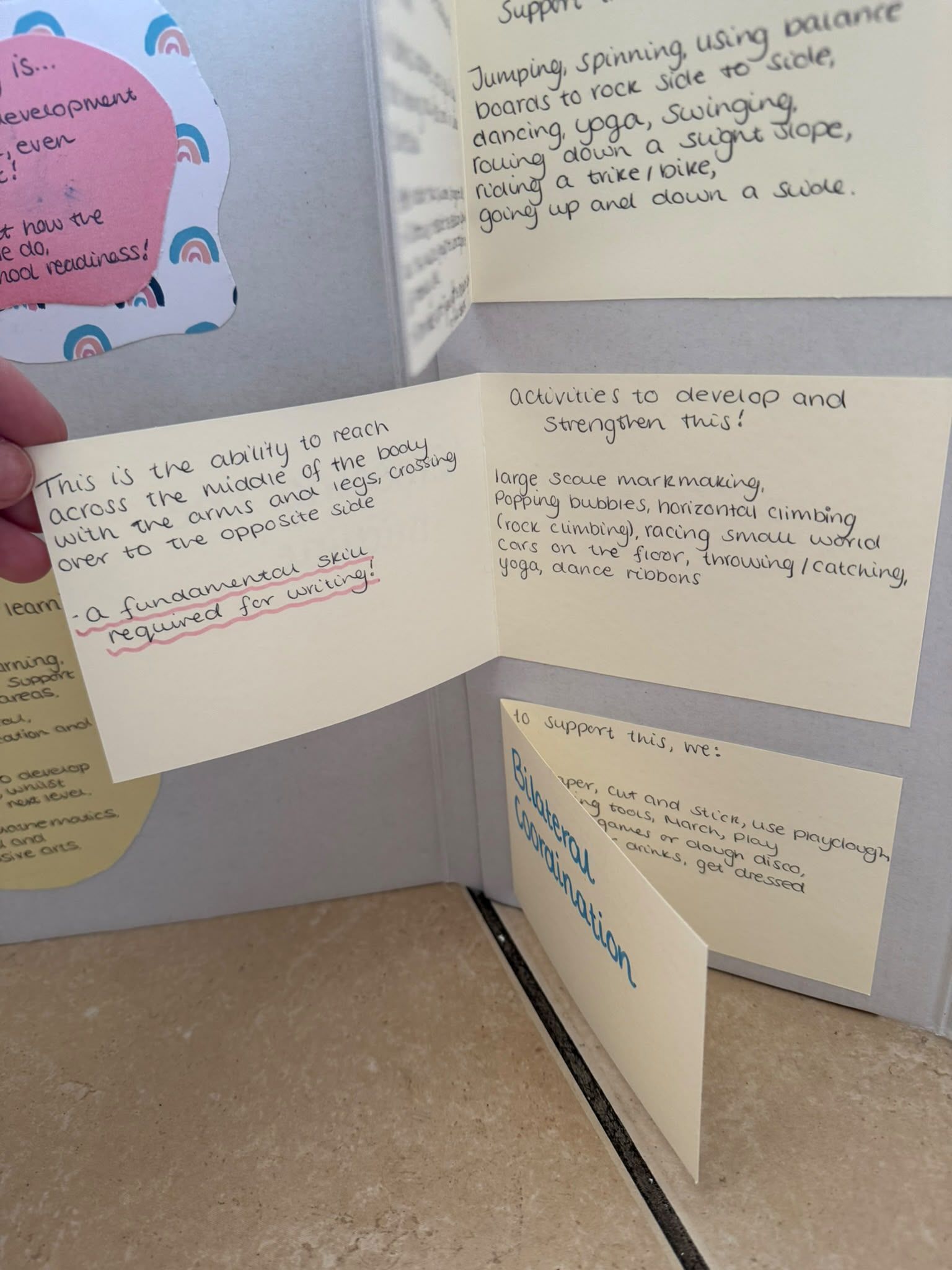
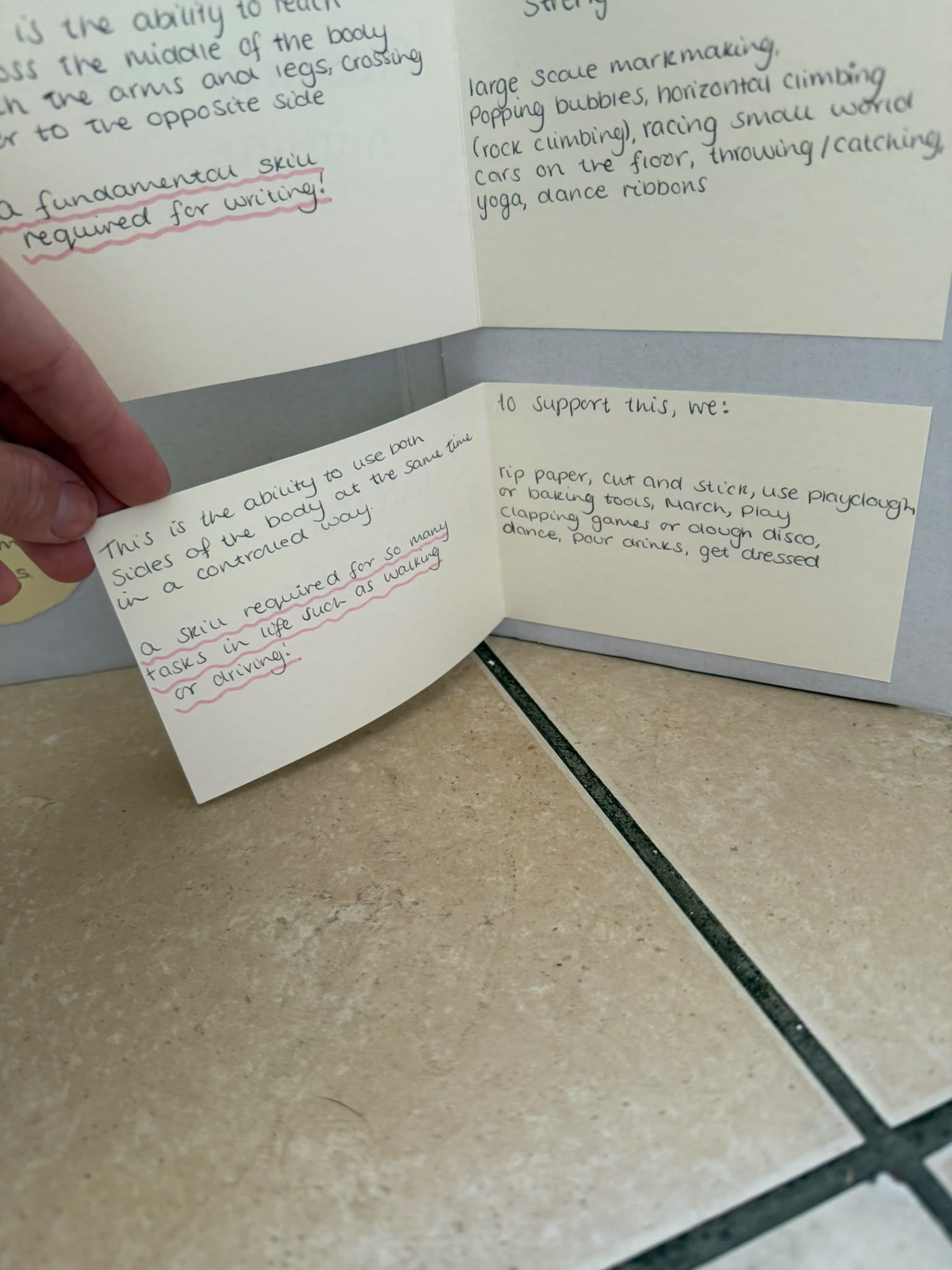
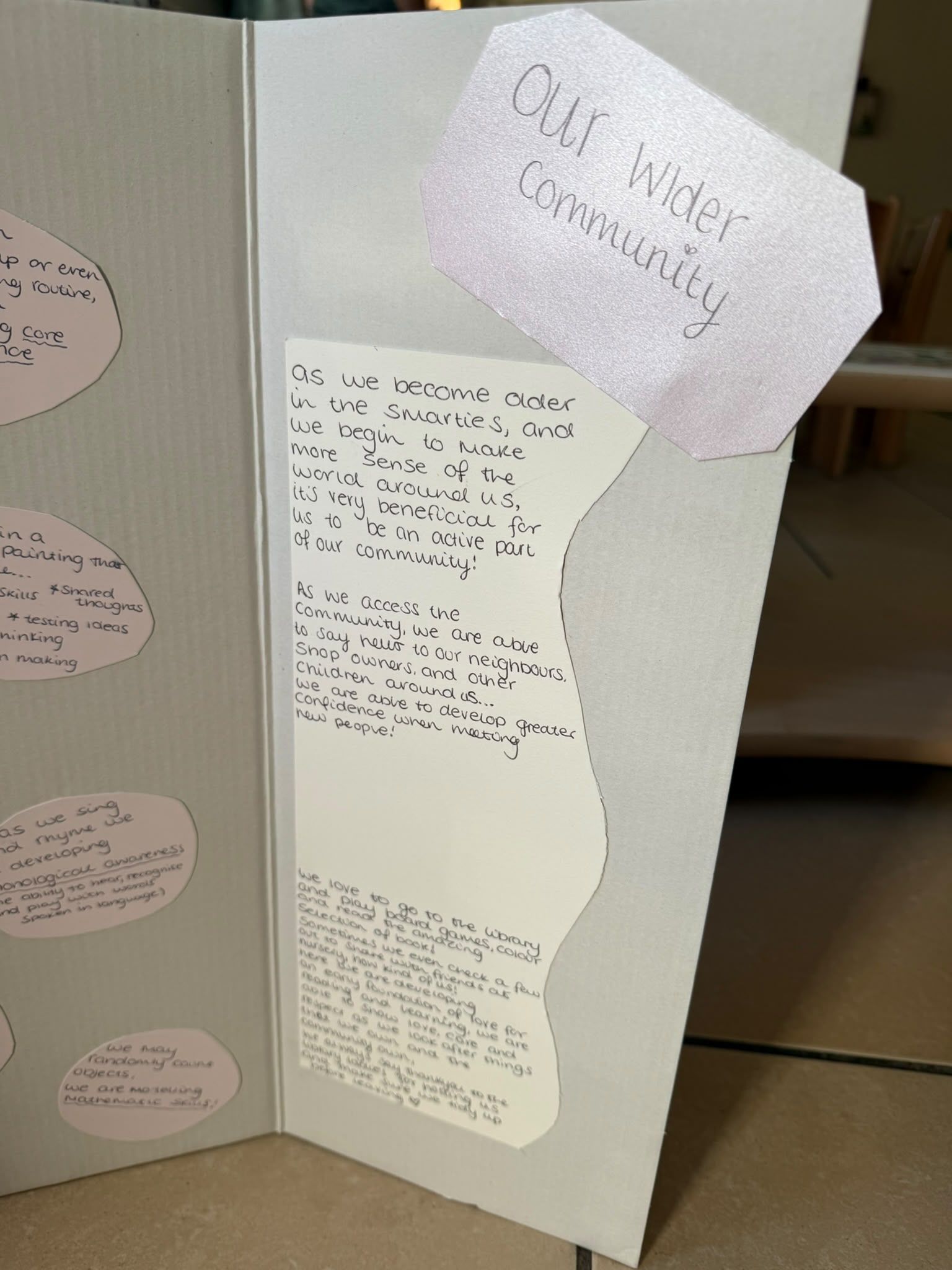
On Saturday 17th October, we held our Autumn Stay and Play session! Our team also worked hard to put together information for families about how our teaching and invitations for learning support children to be ready for their next stage.
You may be wondering: how does playing with a pumpkin prepare children for school? Why is playdough so important? And what does scooping have to do with learning to write?
There is so much learning embedded in these everyday experiences!
Preparing children for Reception means much more than learning to count or write their name. It means supporting their physical development, communication, independence and emotional wellbeing. It means helping them feel confident to explore, build relationships and keep trying when something is difficult.
This underpins our curriculum here at Tiny Tots. We nurture these foundations through meaningful, playful experiences, building on children’s interests and what they can already do.
Pumpkins, movement and the foundations for writing
When children squat to pick up a pumpkin, carry it carefully and lower it into a new position, they practise balance, coordination and using their strength. Squatting and standing involve the legs and core, while lifting and carrying engage the arms and shoulders.
So why does this matter for Reception? Children need a stable and strong body to support controlled hand movements. Core strength helps them maintain a comfortable position at a table or on the floor, while shoulder stability supports drawing, painting and eventually writing.
Writing begins with much more than a pencil. Climbing, crawling, pushing, pulling and carrying all contribute to the physical foundations children draw on later.
Threading: little movements, lots of thinking
Threading involves carefully lining up a hole and guiding a thread through it. Children coordinate their eyes and hands, use both hands together and practise precise finger movements. These skills support handling pencils, scissors, fastenings and other tools in Reception.
There is also plenty of thinking involved. A child might need to turn a piece around, try a different angle or work out why the thread will not go through. With gentle encouragement, they practise staying with a challenge and changing their approach.
These are opportunities to develop executive function - the skills that help us focus, remember what we are trying to do and think flexibly. In Reception, children use these skills when following instructions, solving problems and managing everyday tasks.
Scooping and pouring = maths in action
A scoop, a jug and a few containers offer wonderful opportunities for mathematical conversation, and this is something families can easily implement at home.
As children fill, empty and transfer, we introduce words such as full, empty, more, less, heavy and light. We might wonder together, through 'sustained shared thinking' - “I wonder which contains more, how could we find out?” or “How many scoops will fill this pot?”
Children begin to explore quantity, capacity and comparison through something they can see and do. These experiences give meaning to the mathematical language they will continue to use in Reception.
Scooping and pouring also involve coordinating both hands, adjusting a grip and controlling movements at the wrist. These contribute to using tools with increasing accuracy, including cutlery, paintbrushes and pencils. Pouring a drink also has an immediate purpose: growing independence!
Playdough: strengthening hands and sharing ideas
Squeezing, pinching, rolling and flattening playdough give children varied opportunities to develop hand strength and control. Using rollers and cutters adds practice in coordinating movements and adjusting pressure.
These experiences support the dexterity children need for drawing, writing, cutting and dressing themselves.
Playdough also invites imagination and conversation. Children explain their ideas, negotiate over resources and find ways to make their creations work. Those moments support communicating with classmates, working alongside others and asking for help in Reception.
Where does this begin?
..In our baby room!
These foundations begin long before children reach our preschool room.
In the baby room, opportunities for reaching, rolling, tummy time and freely exploring movement support growing strength and coordination. Grasping an object, transferring it between hands and deliberately releasing it are early foundations for later, more precise movements.
Exploring suitable containers and putting objects in and taking them out lays foundations for filling, emptying and pouring. An adult responding to a gesture with “more?” or describing a basket as “empty” connects early communication with mathematical ideas.
Our warm, responsive relationships underpin all of this. When adults notice babies’ signals, comfort them and share their discoveries, babies begin to feel secure enough to explore and try again.
As children grow, we build on these experiences with new materials, language and challenges. A baby releasing an object into a container may later become a toddler filling a bucket, then an older child carefully pouring and comparing amounts. Each stage matters in its own right, and children follow their own developmental pathways.
Simple ways to support this at home
1. Invite your child into everyday jobs - let them scoop ingredients, stir a mixture, pour a small amount of water or carry manageable items to the table. Talk naturally about what is happening and use language such as “your cup is nearly full,” or “this one feels heavier.”
2. Give them time to have a go - Whether they are putting on a coat, building a tower or working out how something fits, pause before stepping in. Offer encouragement or a small clue, for example "that looks tricky. What else could you try?” Being available without immediately taking over gives children space to practise independence, persistence and problem-solving.
3. Bending, squatting, climbing and creating - go for a walk in nature, and take one of our nature treasure bags with you and collect leaves, sticks, conkers and pinecones for a collage or autumn picture. Even enjoy some den building or tree climbing while you're out on the adventure! Talk about colours, textures and sizes to build vocabulary (supervise closely, keeping small items away from children who mouth objects).
There is no need to recreate nursery or turn play into a test. Everyday moments, shared conversations and time to explore offer rich opportunities for learning.
Our aim is for children to transition throughout the nursery feeling secure, curious and increasingly confident in what they can do. At Tiny Tots, we are nurturing a love of learning, one meaningful moment at a time.
